
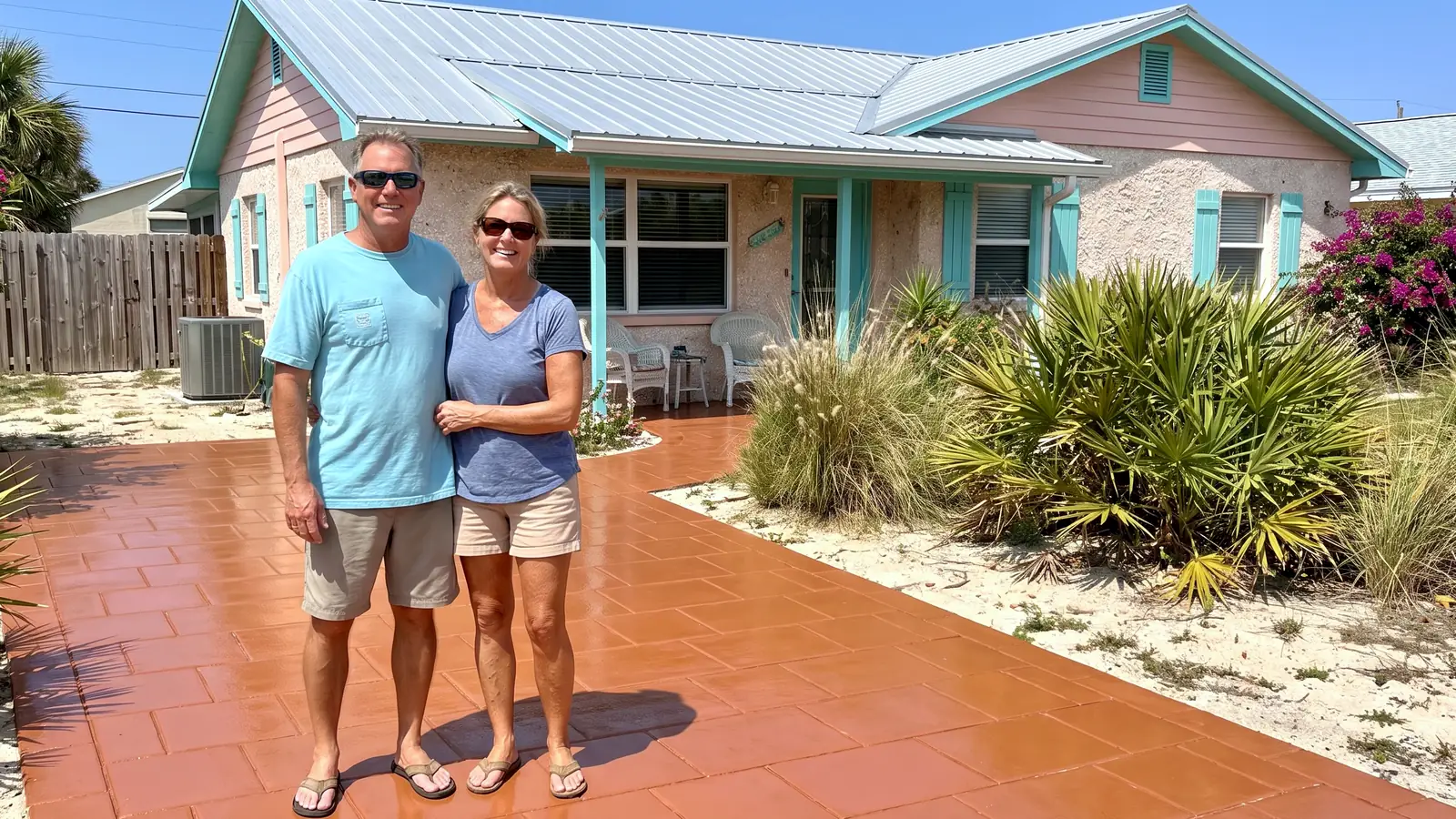
Paver sealing for Lakeland homes
Paver Sealing in Lakeland, FL
Lakeland pavers near Lake Morton or a quiet cul-de-sac can look new again, so call (656) 254-3220 for a free look.
- Brings out deeper paver color
- Fresh joint sand helps lock pavers in place
- Gives weeds less room to grow
- Makes the surface easier to keep clean
- Free estimate, no obligation
Request a Free Estimate
Free, no obligation.
Fast, careful paver sealing in Lakeland
Lakeland homeowners can get paver sealing for driveways, patios, walkways and pool decks, from the blocks around Lake Morton to the newer streets farther out. A local contractor measures first, then washes, re-sands and seals, and the estimate is free. Request a quote through ask for a free estimate, and you will have a reply within 1 business day, often much sooner.
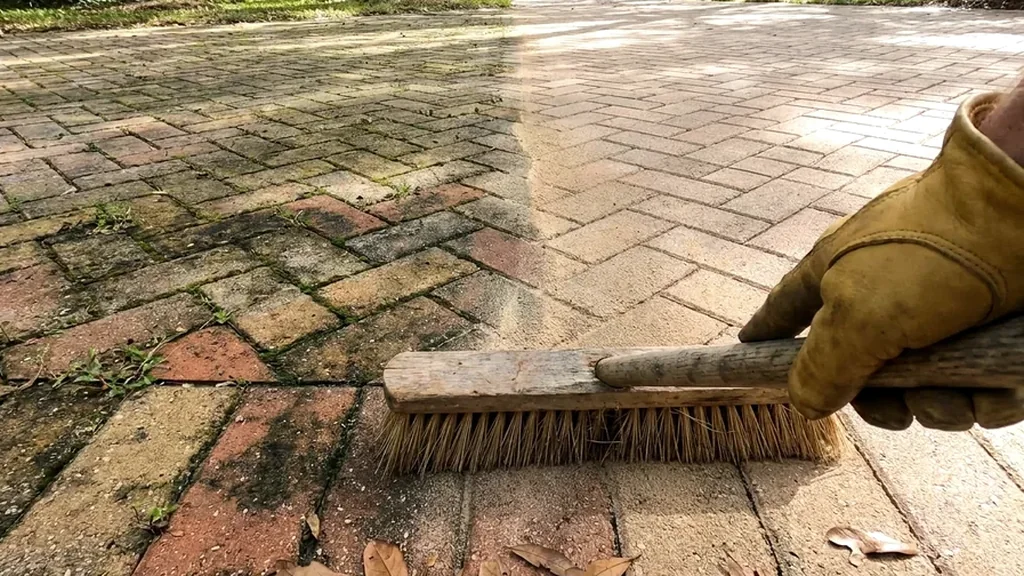
Look at the edge of your drive near the sprinklers. Chalky tan color, green creeping along the joints and a few weeds are the usual signs. A wash, new sand and a coat bring the surface back to one even shade. You can ask for a free estimate and describe the pavers you have.
Lakeland is in Polk County, not Hillsborough, and Lakeland is often counted as part of the Tampa Bay area. That is why the price range below is the one companies around the bay publish. Tell the contractor your street and the surfaces you have, and ask about timing. A short note through ask for a free estimate is enough to begin.
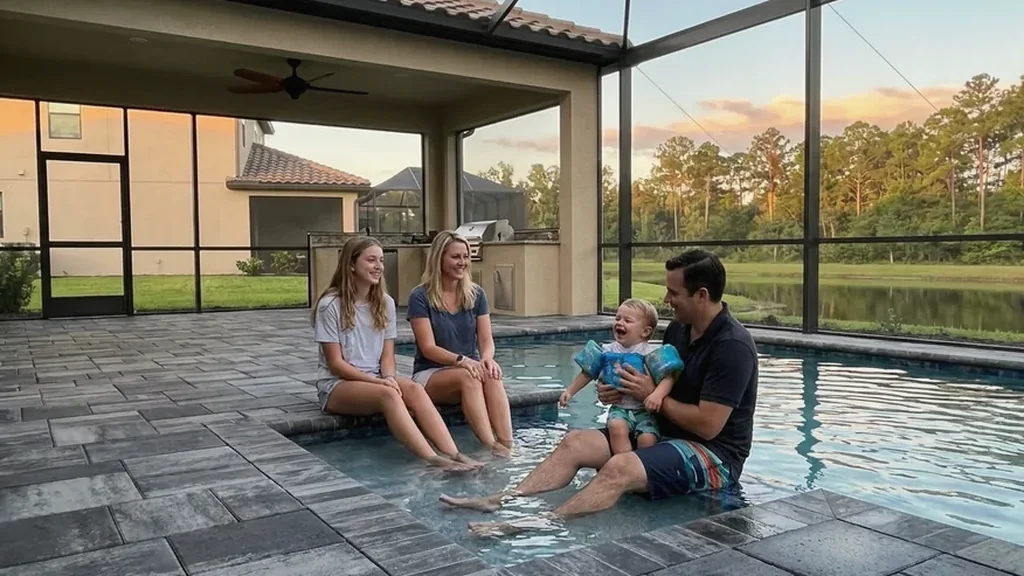
Why hire a local paver sealing contractor in Lakeland?
Lakeland sits in Polk County, a little east of the Tampa Bay shoreline, with its own mix of lakes, hills and older neighborhoods. A paver contractor who knows the area can speak to how that mix changes the washing, the sand and the sealer. You can ask for a free estimate to ask about your street.
A free look
A contractor visits your Lakeland home, checks the pavers and measures the area. You receive a written price with no charge for the visit.
Prices to compare
For reference, Tampa Bay shops list $1.25 to $2.50 per square foot for a full clean, sand and seal. Lakeland is often counted in that market.
Fits the house
Matte blends with older brick and stone. A wet look deepens color on newer pavers but picks up scuffs sooner.
Planned around storms
Summer thunderstorms roll in during afternoons. The contractor plans around them and tells you the new day if one slips.
Get Your Free Estimate in Lakeland
Tell us about your pavers in Lakeland.
Free, no obligation
What paver problems show up most in Lakeland?
Algae near the lakes
Lakeland has 38 named lakes, and many homes sit near the water or look out on it. Lakeside yards stay damp and humid, and summer thunderstorms are the norm. Pavers that stay wet grow green and black film. The film must be washed off before sealing, because sealer would hold it in place. Letting it sit another summer only makes the wash harder, and a shaded walk may need a second pass. Ask the contractor to check the shaded sides of walks and the area under the eaves.
Sand washed from joints on hilly lots
Lakeland sits in the Central Florida Highlands, with gently rolling hills, and water runs downhill. On a sloped driveway or walk, rain can carry sand out of the joints faster. Rain season in West Central Florida starts near May 25 and ends near October 10, per the National Weather Service. Washing removes sand too, so new sand goes in before the sealer. Ask the contractor to check the low end of a slope, where sand tends to wash away first. A slope also sends water across the joints in one direction, so one side of a drive can lose sand faster than the other.
Rust marks from irrigation
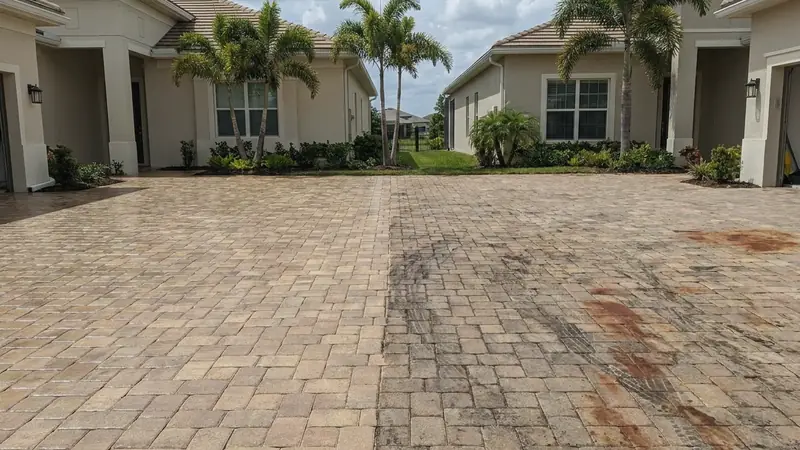
Most Florida well water carries a lot of iron, University of Florida says, and sprinklers fed by it commonly leave orange streaks. A sprinkler that sprays across pavers can leave rust lines. Those stains must be treated before sealing, since sealer would lock them in. Turning the spray heads away from the pavers helps keep new marks from forming, and a rust spot can take more than one pass to lift. A rust line that follows the spray pattern points to the sprinkler head.
Older pavers and past coats
Lakeland dates to the 1870s, and its 1920s boom left many older neighborhoods. Pavers added in those yards over the years may have been sealed more than once, and each owner may have used a different product. A water-based sealer will not bond to a solvent-based one. Patchy shine or flaking suggests an old coat the contractor needs to identify. A small test patch can show the type, which saves a bad match. If you bought the home with pavers already down, ask the seller or a neighbor what was used.
Cold snaps and sun fading
Lakeland has about two freezing nights in a typical year, and summers are hot and humid with highs seldom dropping below 90 degrees. Sun fades color from summer to summer. A coat of sealer helps protect color and the joints from the weather. Wear shows first where the sun hits hardest, such as a south-facing driveway. If you see a chalky look, the coat may already be thin.
Which Lakeland neighborhoods have older pavers worth special care?
Lakeland has several historic districts, including Beacon Hill-Alta Vista and Biltmore-Cumberland. Those streets date to the boom years of the 1920s and later, so the homes are older than the city's newer subdivisions, and the lots often have large trees. Pavers there may have been laid decades ago and resealed a time or two. When you ask for a free estimate, mention the name of your neighborhood.
Near Lake Morton, Lake Mirror and Lake Hollingsworth, many yards are shaded by mature trees and stay damp. Green film and moss show up first in those spots. A contractor will check the shaded sides of walks and patios and the places where leaves collect. Call (656) 254-3220 and say how close your pavers sit to the water.
Newer Lakeland subdivisions have newer pavers, which usually hold their color and sand longer. Even so, a driveway on a south-facing lot in full sun can fade in a few summers. Ask for a look at your own pavers instead of guessing, since each lot is a little different. To book one, ask for a free estimate.
Lakeland also has historic buildings downtown, including the Terrace Hotel and the Polk Theatre, from the 1920s boom. Homes within walking distance of those streets often have older brick, stone and iron near the pavers. A contractor should keep rinse water off those materials. If that describes your home, call (656) 254-3220 and say so.
Several of Lakeland's historic districts hold large buildings from the 1920s and 1940s. Homes near them often have older brick, plaster and ironwork beside the pavers. A contractor should know which rinse methods are safe near those surfaces. To ask about your block, ask for a free estimate.
What does paver sealing cost in Lakeland?
Published prices near Lakeland follow the Tampa Bay pattern of $1.25 to $2.50 per square foot for a clean, sand and seal, and Lakeland is often counted as part of that area. A large pool deck and a wide driveway mean more area. Growth, lost sand and the old coat decide where in the range you land. To see a figure for your pavers, ask for a free estimate.
Hills and slopes, steps and curves slow the work. A short walk carries a minimum charge, so it costs more per foot than a full drive. Doing everything in one visit helps. For help grouping the jobs, call (656) 254-3220.
Joint sand is a real part of the work, so confirm it is in the price. Then confirm the sealer name and the coat count. Those three items explain most gaps between bids. To get them in writing, ask for a free estimate.
| Paved area | Typical example | Clean, sand and seal |
|---|---|---|
| 300 sq ft | Small patio or walkway | $375 to $750 |
| 600 sq ft | Two car driveway | $750 to $1,500 |
| 1,000 sq ft | Large driveway or pool deck | $1,250 to $2,500 |
| 1,500 sq ft | Driveway plus pool deck | $1,875 to $3,750 |
Math based on the $1.25 to $2.50 per square foot that Tampa Bay paver companies publish. Your contractor sets the actual price after seeing the surface. Repairs, leveling and stripping failed sealer are usually extra.
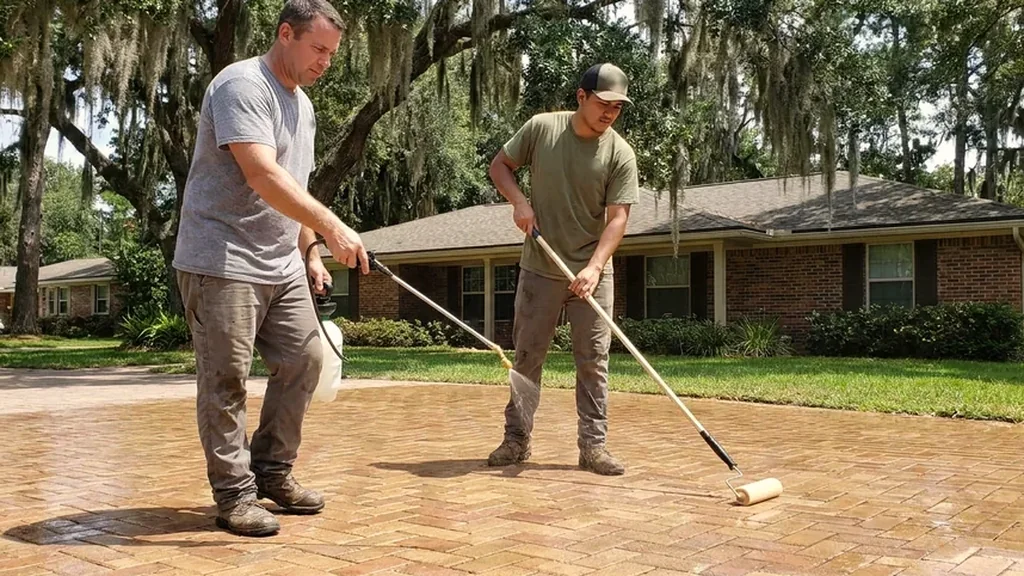
How does a paver sealing job work in Lakeland?
Inspect and measure
The contractor walks your Lakeland yard, measures each paved area and notes slopes, loose edges and sunken pavers. Any older coating is identified, since water-based sealer fails over a solvent-based one. Point out where rain runs or pools. A photo of any trouble spots helps the contractor plan the visit.
Rinse off the green
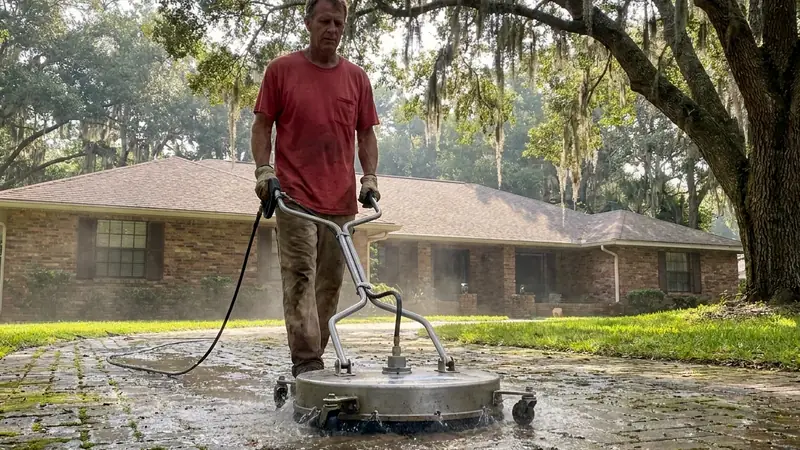
Lake humidity breeds algae and mildew, so the surface is rinsed under pressure until clean. Rust and oil get separate attention. Plants, brick and trim are shielded from spray. Dirt left behind would be sealed in.
Fill every joint
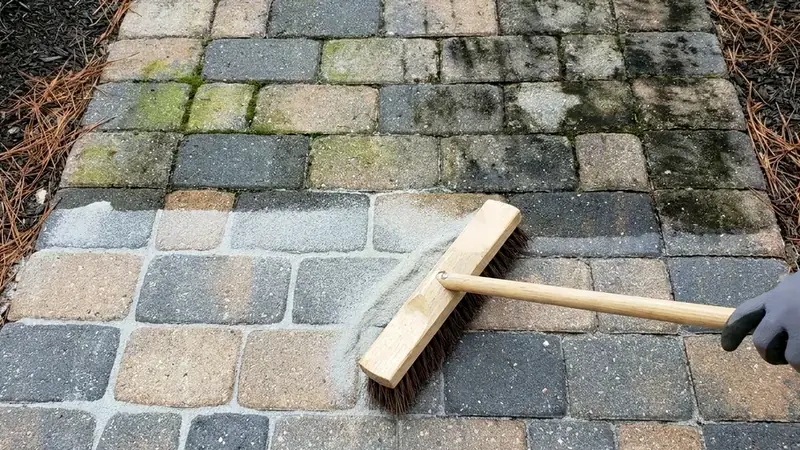
Rinsing empties the joints partly. Fresh sand is brushed across until each gap is full, then the excess is swept away. On sloped pavers this step matters most, since rain pulls sand downhill. Sand that is damp clumps, so the contractor waits for a dry surface before filling.
Let the sun do its work
Everything must be dry before sealer goes on. Summer afternoons bring thunderstorms, so a morning start helps. Shady lakeside corners dry last. A short postponement is cheaper than redoing a clouded coat.
Coat and cure
The sealer is applied in the sheen you selected. Wet look reveals scuffs earlier than matte. Plan on two to five years before the next coat. Ask how long to keep feet and wheels off.
Complete paver services in Lakeland
Sealing in Lakeland follows one rule: dirt out, sand in, dry, then coat. Changing the order would trap grime under the finish. Storms may interrupt, so the plan keeps some slack. For a rough timeline on your property, call (656) 254-3220.
Driveways, walks, patios and pool decks are what most Lakeland owners want done. A sloped drive sheds water and sand quickly, while a flat patio under oaks holds moisture. Pool decks collect splash and sunscreen. Tell the contractor about every surface when you ask for a free estimate.
Choosing a product comes down to two questions: what is on the pavers now, and how glossy do you want them? An old coat limits the type, and taste picks the sheen. Matte reads quiet and natural, while gloss gives richer color. Call (656) 254-3220 to talk it through.
Lakeland's summer thunderstorms tend to roll in during the afternoon, so many jobs start early. Cooler months hold steadier dry stretches. Ask how a delay is handled before choosing a day. To check openings, ask for a free estimate.
Questions to ask before you hire
- How long should I wait before sealing again, and what shows it is time?
- Can you remove the rust stains left by my sprinkler water?
- Is the sealer you use a wet look or a natural finish, and can I pick?
- Does the quote cover the pressure wash, new joint sand and the sealer itself?
- Can I see the sealer's product label before you start?
- Will you wait for a dry stretch, or will afternoon storms push the job back?
- Does the estimate say in writing what coat count and sealer you plan to use?
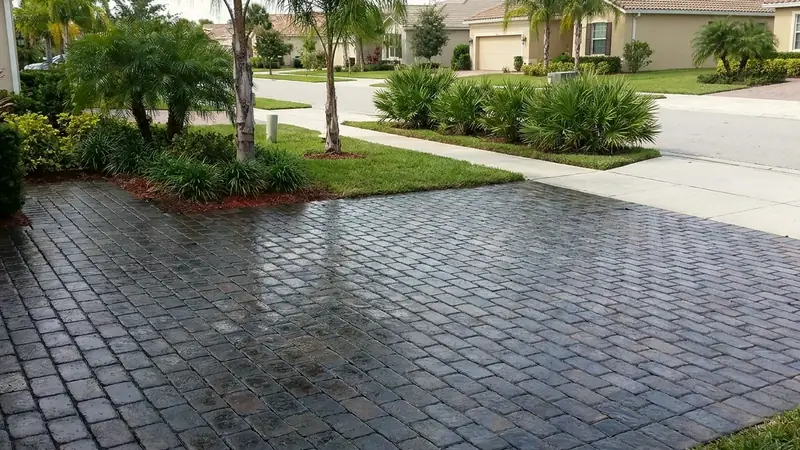
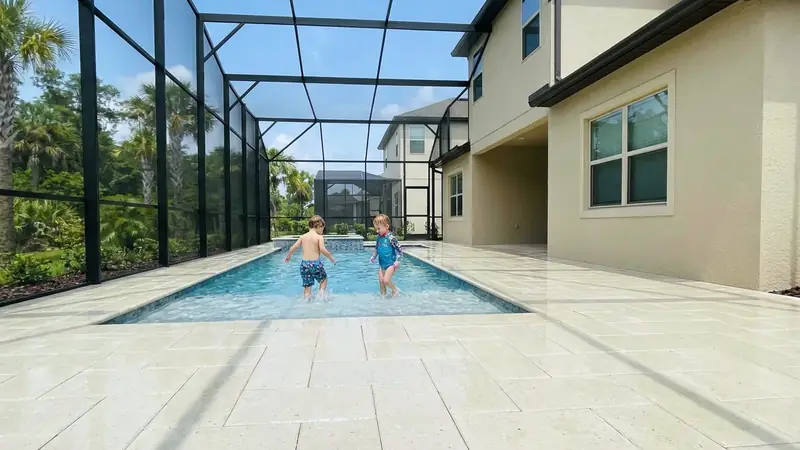
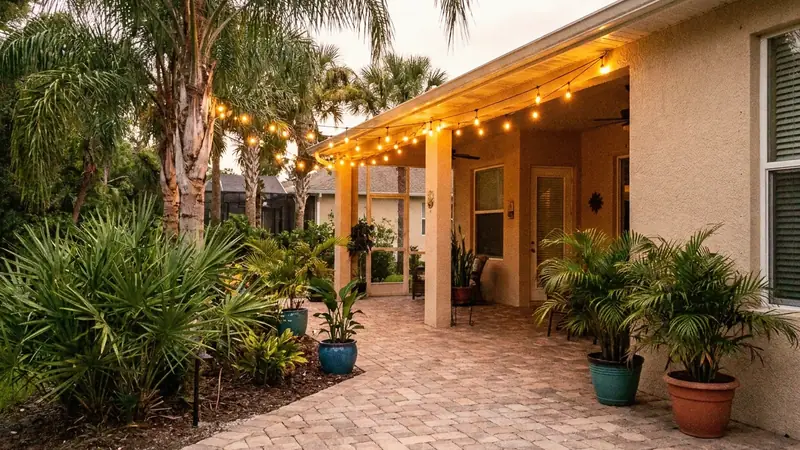
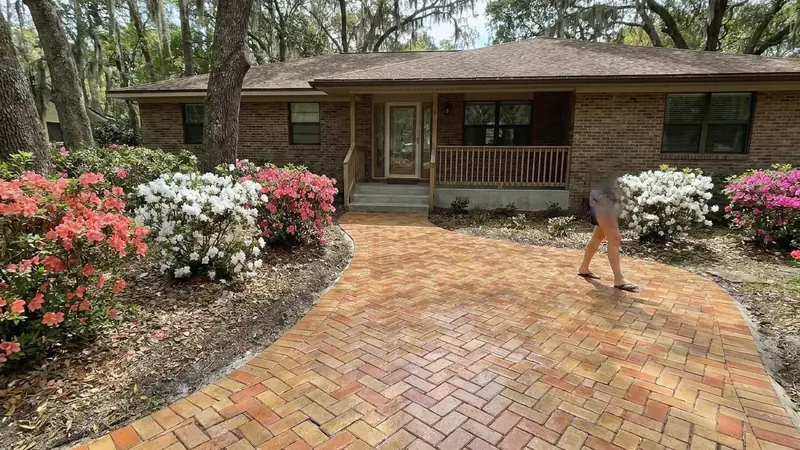
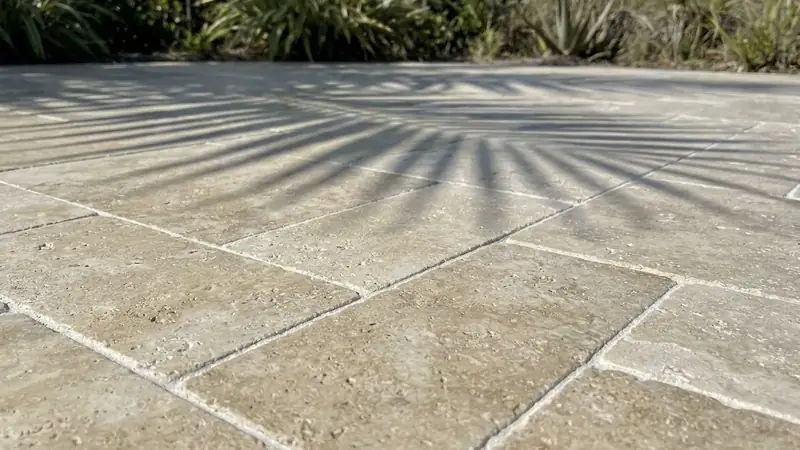
What do sealed pavers look like around Lakeland?
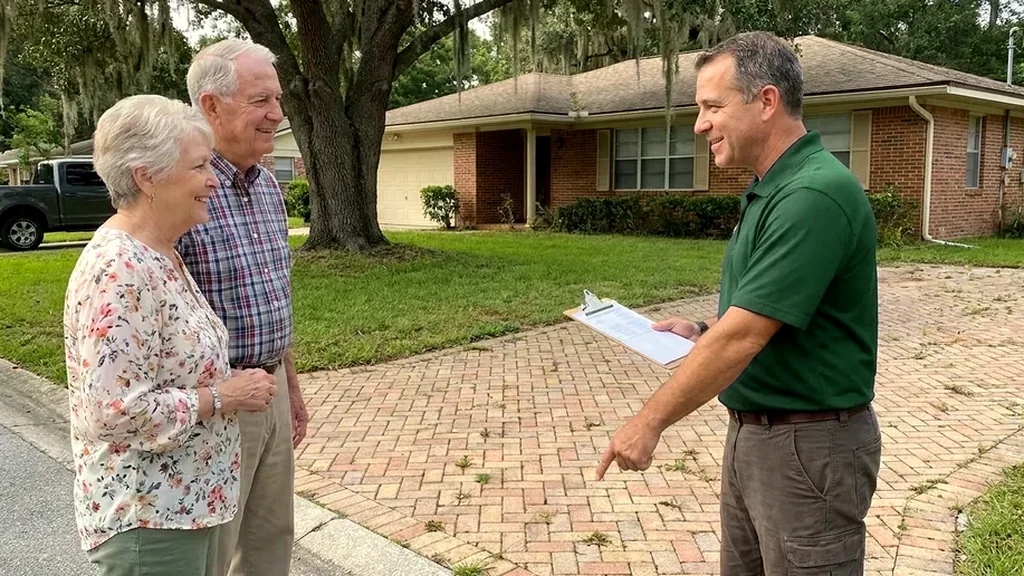
Why local matters in Lakeland
A contractor who works in Lakeland knows the area sits among lakes and low hills, so water can pool or run in surprising places after a storm. That helps in judging how long a yard takes to dry. Someone used only to the coast may not think of it, and the plan can go wrong. To reach a local contractor, call (656) 254-3220.
Local experience also helps with older neighborhoods. A contractor who has worked in the historic districts knows to protect old brick and trim from rinse water. That care matters in yards with 1920s houses, where brick and iron sit close to the pavers. Use ask for a free estimate to ask how the contractor protects brick near the pavers.
Lakeland weather swings between hot, wet summers and drier, mild winters. A local contractor books around both, and freezing nights are rare, about twice a year on average. To find a good week, ask for a free estimate and describe your pavers.
Lakeland homeowners often live near a lake, a park or a historic block, so access can vary. A contractor who knows the area plans parking and hose runs before arriving. That keeps the day short. Ask about access when you ask for a free estimate.
Winters in Lakeland are drier and warm, with frequent sunny skies and daytime highs in the mid 70s. That makes the cooler months a good time to find dry pavers. Many owners book then to avoid summer storm delays. For winter openings, ask for a free estimate.
What should a contractor know about Lakeland's landmarks and lakes?
Lakeland is known as Swan City, because the swans on its lakes descend from two mute swans given by Queen Elizabeth II in 1957. Lake Morton sits downtown, and Lake Parker covers 2,550 acres. If your home sits near the water and the walkway looks tired, ask for a free estimate.
Florida Southern College has twelve completed Frank Lloyd Wright buildings, and Circle B Bar Reserve covers 1,267 acres. The Terrace Hotel and Polk Theatre are among the buildings from the 1920s boom. Near any of these Lakeland landmarks, call (656) 254-3220 and name your street.
Lakeland was first settled in the 1870s, and rail service arrived in 1884. Abraham Munn platted the downtown land that year, and the town was incorporated on January 1, 1885. Homes near that older core may have pavers from several different eras. To have yours looked at, ask for a free estimate.
Parks ring Lake Mirror, including Barnett Children's Park, Hollis Gardens and Allen Kryger Park, and Lake Hollingsworth and Lake Gibson are among the other named lakes. The Detroit Tigers have trained at Joker Marchant Stadium since 1934. Homes near these landmarks range from older houses to newer ones. To ask about yours, ask for a free estimate.
Lakeland grew on citrus, cattle and phosphate, and the Bone Valley produced a quarter of the U.S. phosphate supply. Publix has its headquarters here, and Interstate 4 puts the city on the corridor between Tampa and Orlando. Steady growth means Lakeland pavers come from many different decades, so call (656) 254-3220 and say how old yours are.
Frequently Asked Questions
How often should I seal pavers in Florida?
Companies put the wait between coats at two to five years. Shade near Lakeland's lakes and strong summer sun both argue for the short end. Test it with a splash: if the water sinks in instead of beading, the coat is spent.
What does paver sealing cost around Florida?
Around Tampa Bay, posted prices run $1.25 to $2.50 per square foot for the whole clean, sand and seal. Where a Lakeland job lands depends on growth, missing sand and the old coat. Minimum charges push small jobs higher per foot.
What is the right sealer for pavers in Florida?
Contractors choose between water-based and solvent-based sealer, and between matte and wet look. A water-based product will not bond over a solvent-based one, so any old coat sets the choice. Ask the Lakeland contractor to name the product and explain the choice. Water-based and solvent-based sealers have different labels, so the label is a quick check.
What are the drawbacks of sealing pavers in Lakeland?
Sealer fades with time and needs renewing, and a wet look scuffs more visibly than matte. It also needs a dry surface, which can delay a Lakeland job during summer storms. The gain is longer-lasting color and fuller joints, which keeps the pavers looking tidy.
How much does it cost to seal outdoor pavers in Lakeland?
Plan on $1.25 to $2.50 per square foot to clean, sand and seal. Ask for the size of every surface in the quote, then check the arithmetic. The free visit ends with a real figure for your yard.
Is Lakeland part of the Tampa Bay price range for paver sealing?
Lakeland is often included as part of the Tampa Bay area, and the same range of $1.25 to $2.50 per square foot is commonly published. Your own quote depends on your pavers. A free visit gives you the real figure.
Can pavers near a Lakeland lake be sealed?
Yes, once they are clean and dry. Lakeside yards can stay damp, so a contractor may wait for a clear stretch or check the shaded spots. Say how near the water sits when you ask for the visit.
What happens to the sand between pavers when they are sealed?
Washing pulls out old sand, so new sand is swept into the joints before the sealer goes on. Once sealed, the sand is less likely to move. Ask for joint sand to be listed in the quote, so you know it is part of the price.
Do I need to wash my Lakeland pavers before sealing them?
Yes. Sealer needs a clean, dry surface and would trap dirt or growth left on it. The contractor washes, refills the joints and lets the pavers dry first.
How long does a paver sealing job take in Lakeland?
Size and weather set the schedule. Washing, sanding, drying and sealing come in that order, and a storm can pause any step. When you receive the price, ask how many days the work will take.
What is a free paver sealing estimate in Lakeland like?
The contractor examines your pavers, measures the area and puts a price on it. Questions about finish and sealer type are welcome. You owe nothing for the visit, and an answer arrives within 1 business day, usually much sooner.
Can I seal pavers in Lakeland in winter?
Often yes, on a dry day. Lakeland winters are drier and warm, with frequent sunny skies, though cold snaps can drop below freezing about twice a year on average. The contractor will pick a day when the pavers are dry. Ask what temperatures the sealer label allows.
Nearby areas we serve
Ready for a Free Estimate in Lakeland?
Call (656) 254-3220 and tell us about your pavers.
Free, no obligation